
 at Vishnupad Temple, Gaya
 Purnima Special: 04 December 2025
 Bookings Closes in




 How it Works

Select Your Puja on Preferred date

Fill your Name, Gotra and Address
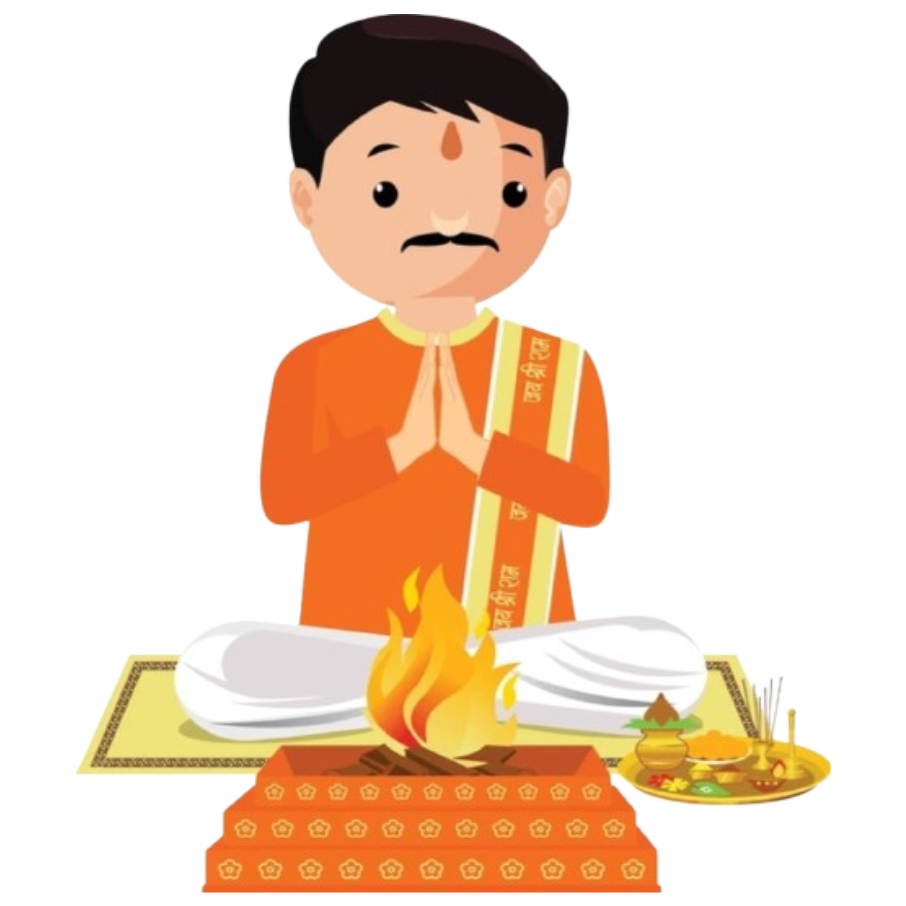
Your puja will be performed in the temple

You can watch puja video along with your sankalp timing

Your prasad will be delivered within 7–10 days after puja
How it Works
4 Ways to Participate
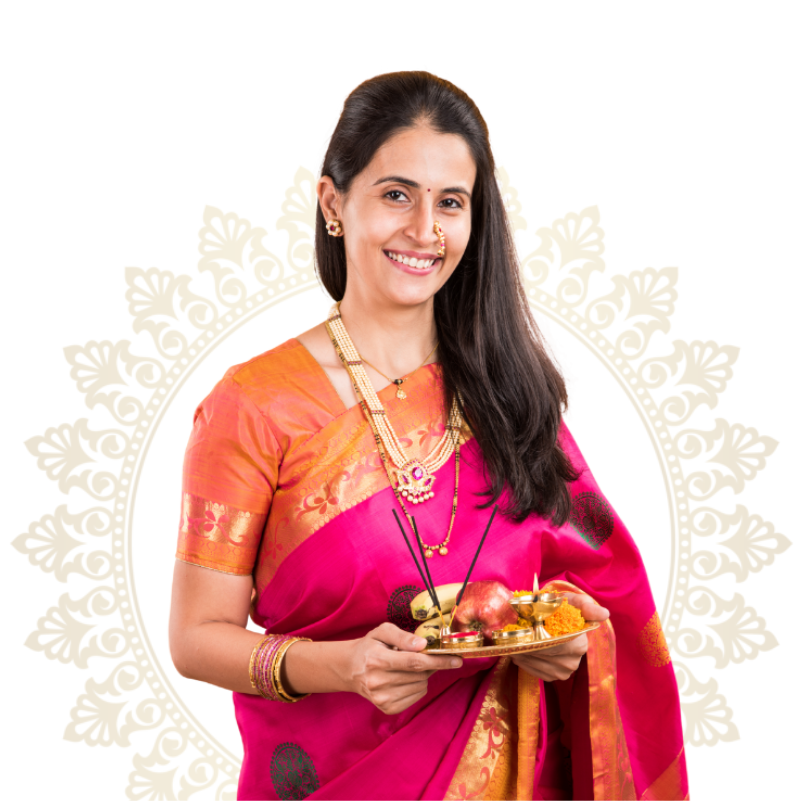
 Pandit Ji will call out 1 Devotee name and gotra during the puja sankalp.Opt for additional offerings like VastraVastra, Flower, sankalp on call etc to be done in your name.
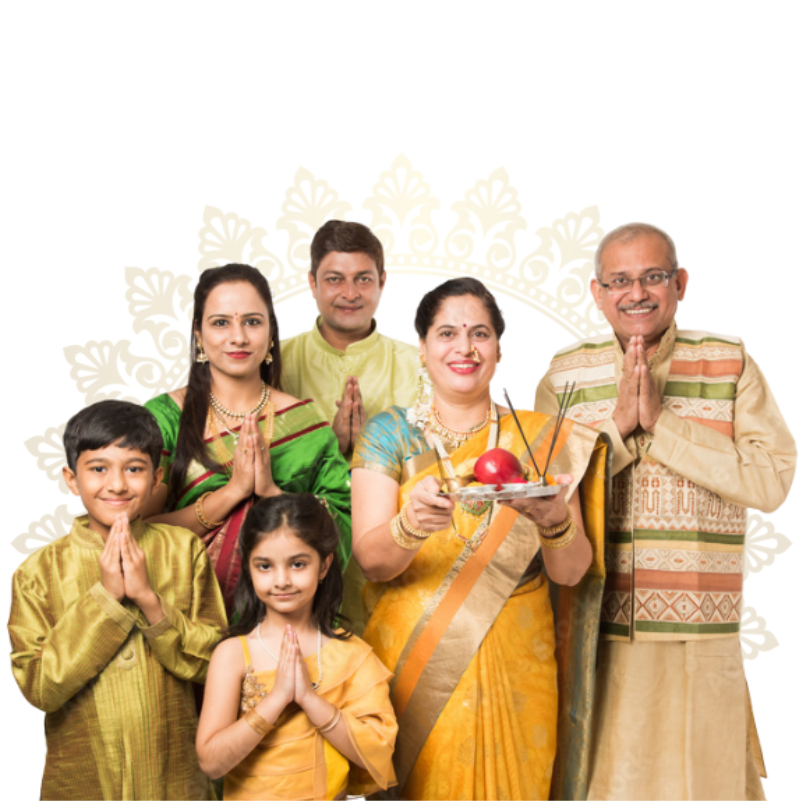 Pandit Ji will call out 6 Devotees name and gotra of your family during the puja sankalp.Opt for additional offerings like VastraVastra, Flower, sankalp on call etc to be done in your name.
Pandit Ji will call out 1 Devotee name and gotra during the puja sankalp.Opt for additional offerings like VastraVastra, Flower, sankalp on call etc to be done in your name.About Puja
Pandit Ji will call out 6 Devotees name and gotra of your family during the puja sankalp.Opt for additional offerings like VastraVastra, Flower, sankalp on call etc to be done in your name.
Pandit Ji will call out 1 Devotee name and gotra during the puja sankalp.Opt for additional offerings like VastraVastra, Flower, sankalp on call etc to be done in your name.About Puja
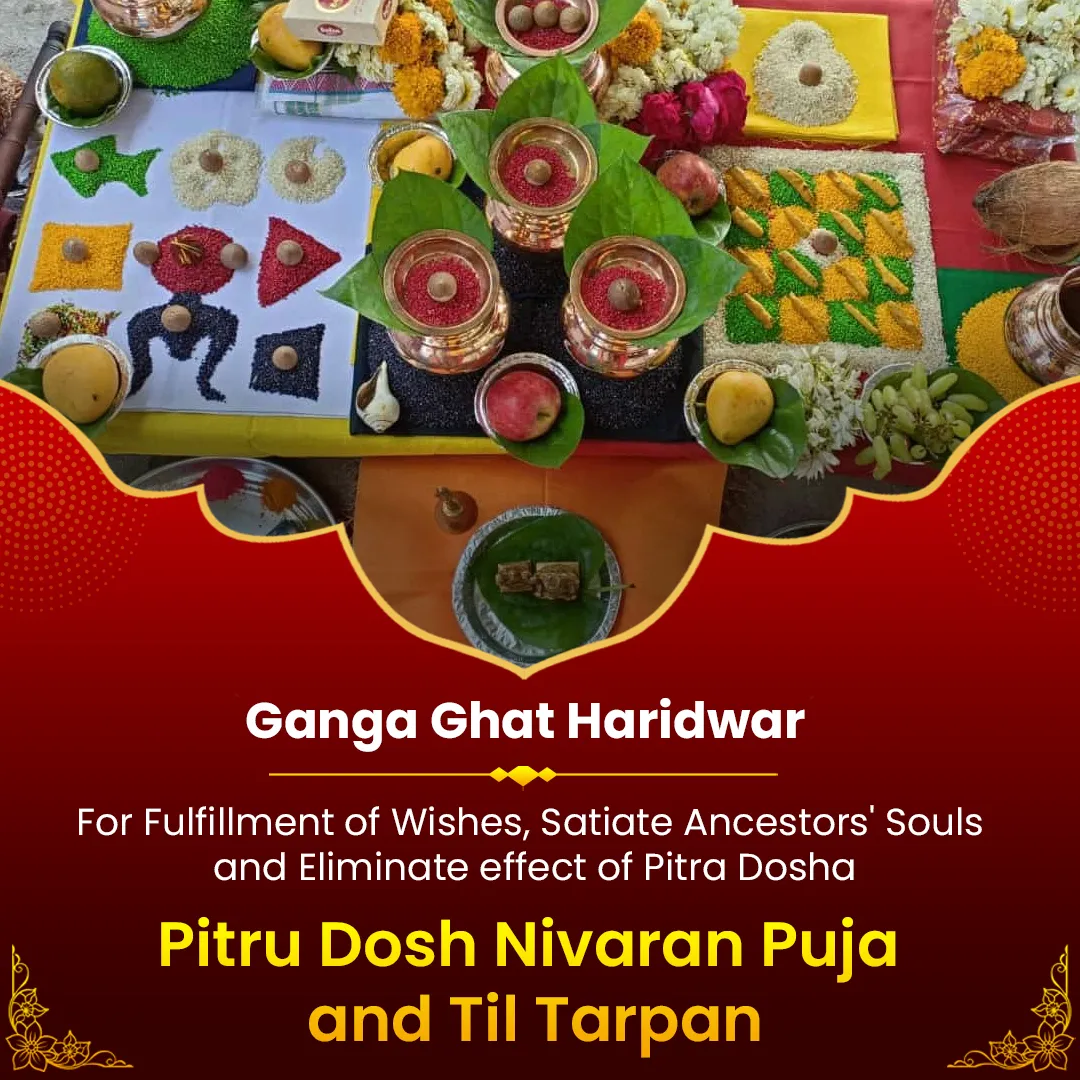
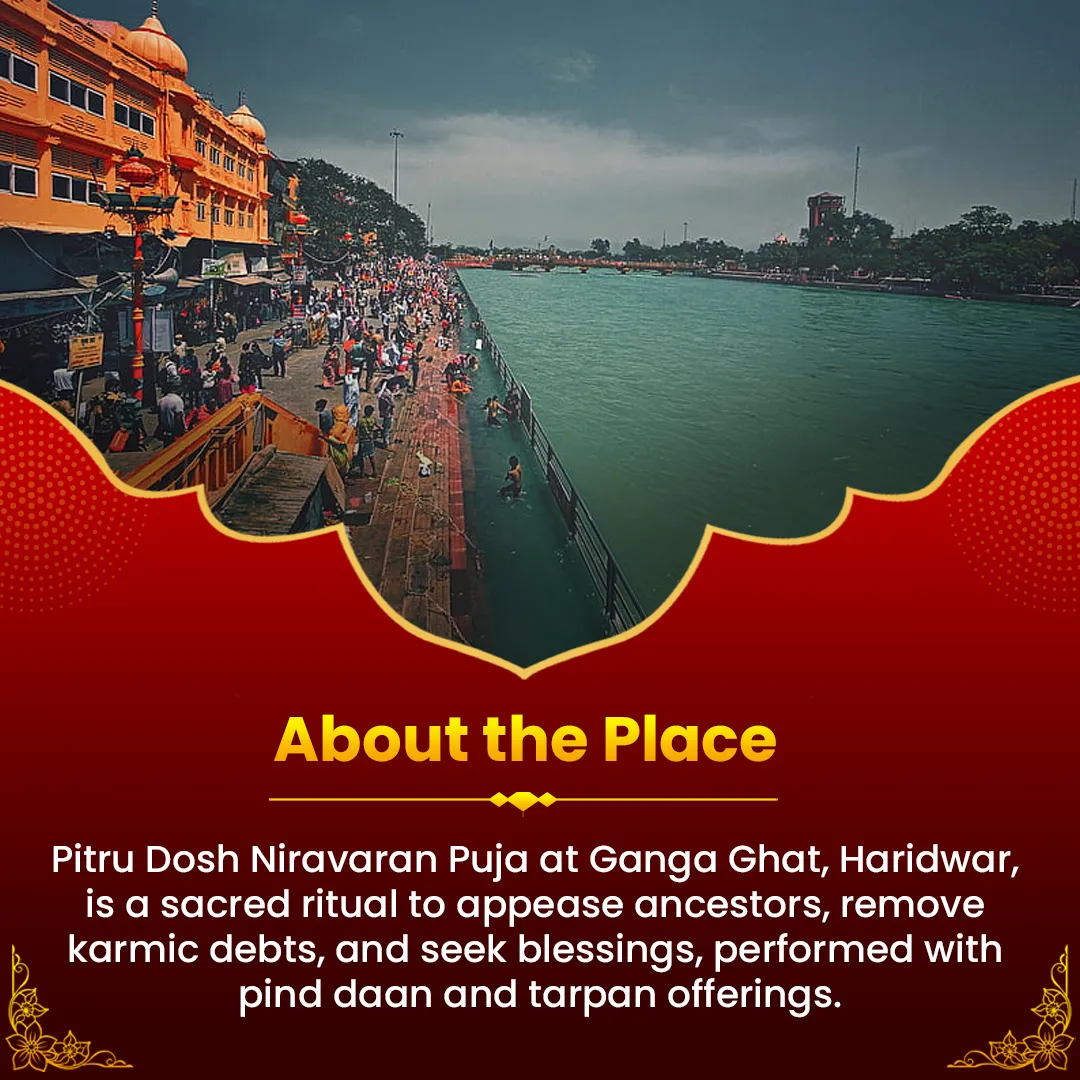
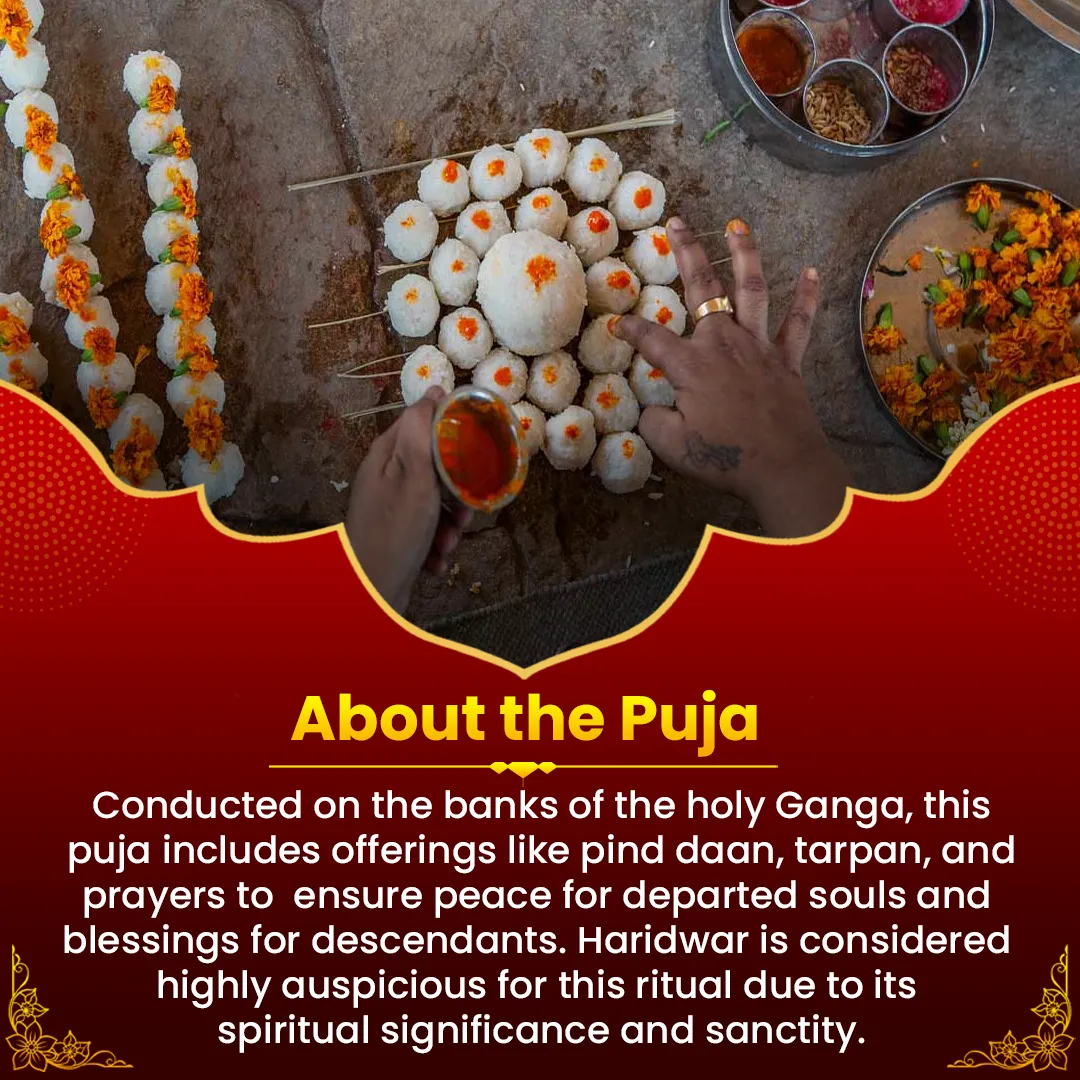
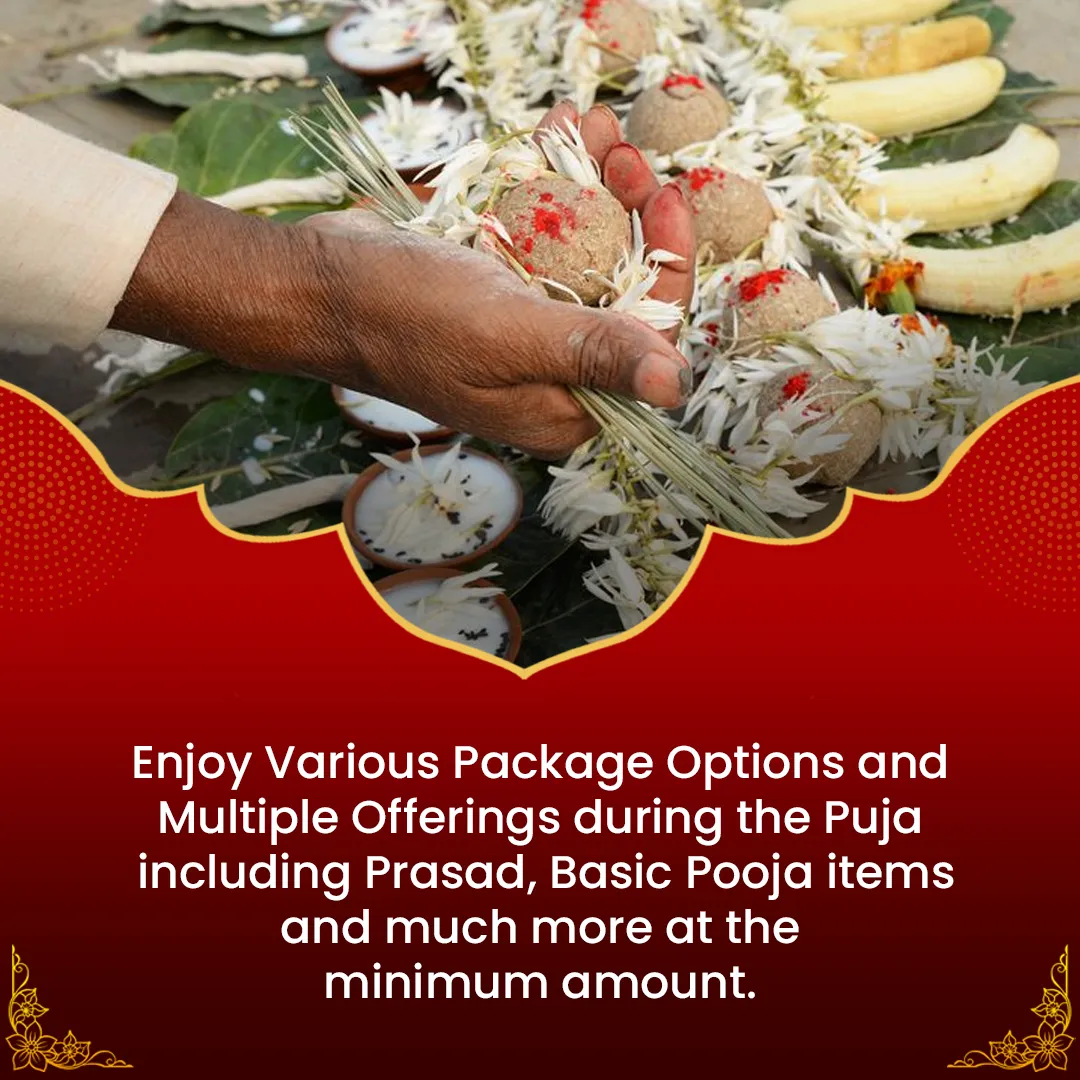
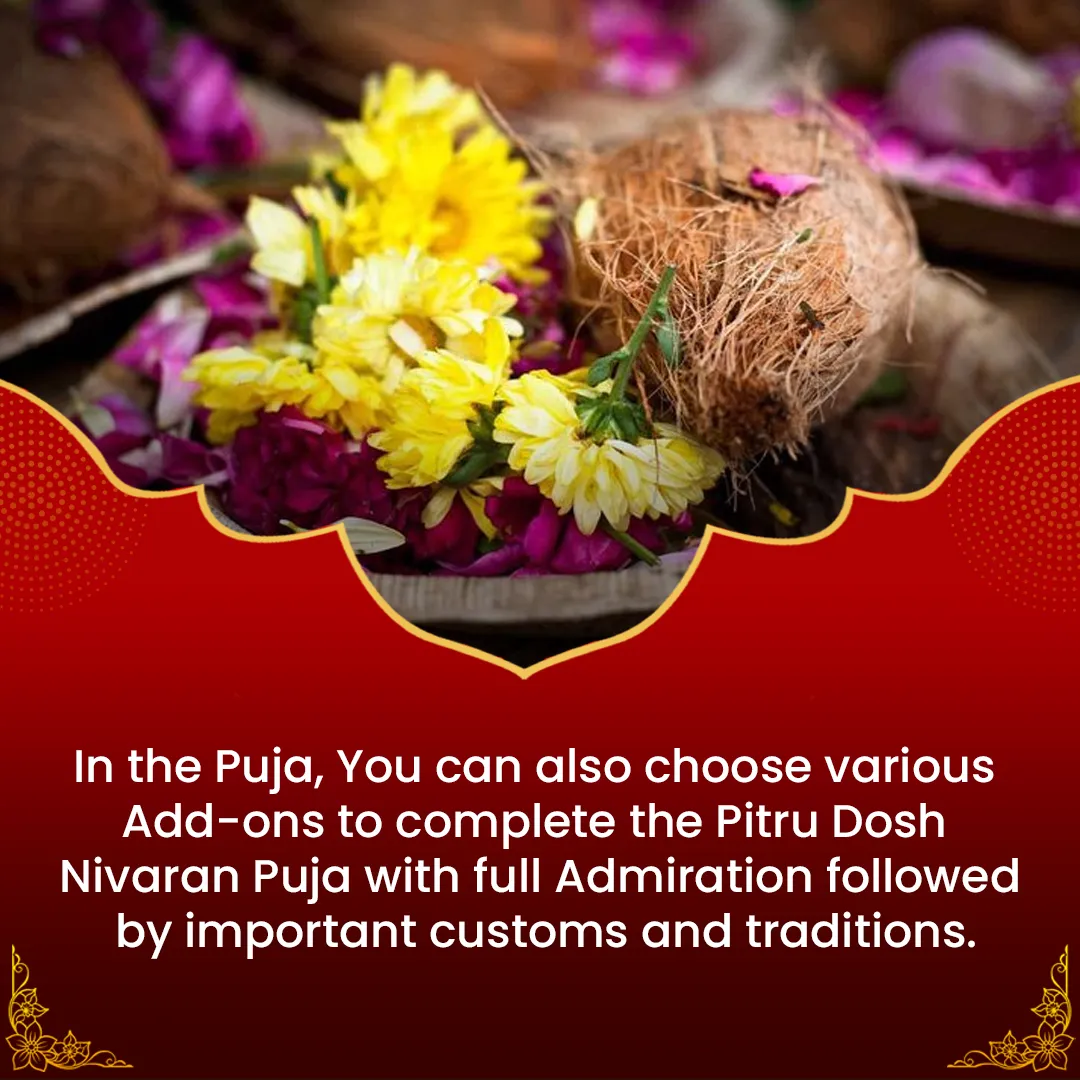
Pitru Puja in Gaya, Bihar, is a sacred ancestral rite performed on the banks of the Phalgu River and at the revered Vishnupad Temple. Devotees, guided by Gayawal priests, take sankalp in their gotra, offer pind daan with cooked rice, barley flour, and black sesame, and perform tarpan with water and kusha grass beneath the Akshayavat tree. The ceremony is especially powerful during Pitru Paksha, yet auspicious year-round for those seeking peace for departed souls. By honoring forefathers, families seek relief from Pitru Dosha, removal of obstacles, harmony at home, prosperity, and spiritual upliftment. Rituals include recitation of mantras, offering of til, flowers, and prasad, and charity to Brahmins and the needy. Names of ancestors are invoked with devotion, and blessings are prayed for children’s growth, health, and success. Completing Gaya shraddha is believed to help ancestors progress toward moksha, bringing lineage protection, merit, and lasting grace.
 About Temple
Vishnupad Temple in Gaya, Bihar, is a revered Hindu shrine marking Lord Vishnu’s legendary footprint on the “Dharmashila,” a black basalt rock. Rebuilt in the late eighteenth century by the Maratha queen Ahilyabai Holkar, the temple stands close to the Falgu (Phalgu) River, where pilgrims perform pind daan and tarpan for ancestors. The sanctum houses the sacred footprint, typically encased in a silver-plated basin, and the soaring shikhara follows classic Nagara-style architecture with finely carved stone pillars and latticed windows. Gayawal Brahmins (Gaya pandas) officiate rituals, guiding devotees through sankalp, recitation of Vishnu mantras, and charitable offerings. The site is central to the Gaya shraddha and draws millions during Pitru Paksha, although visits are auspicious year-round. Nearby, the holy Akshayavat banyan and numerous ghats deepen the tirtha’s sanctity. Pilgrims seek blessings for peace, prosperity, divine grace, and moksha for forebears, experiencing Gaya’s unique fusion of devotion, history, and sacred geography.
Benefits of Puja

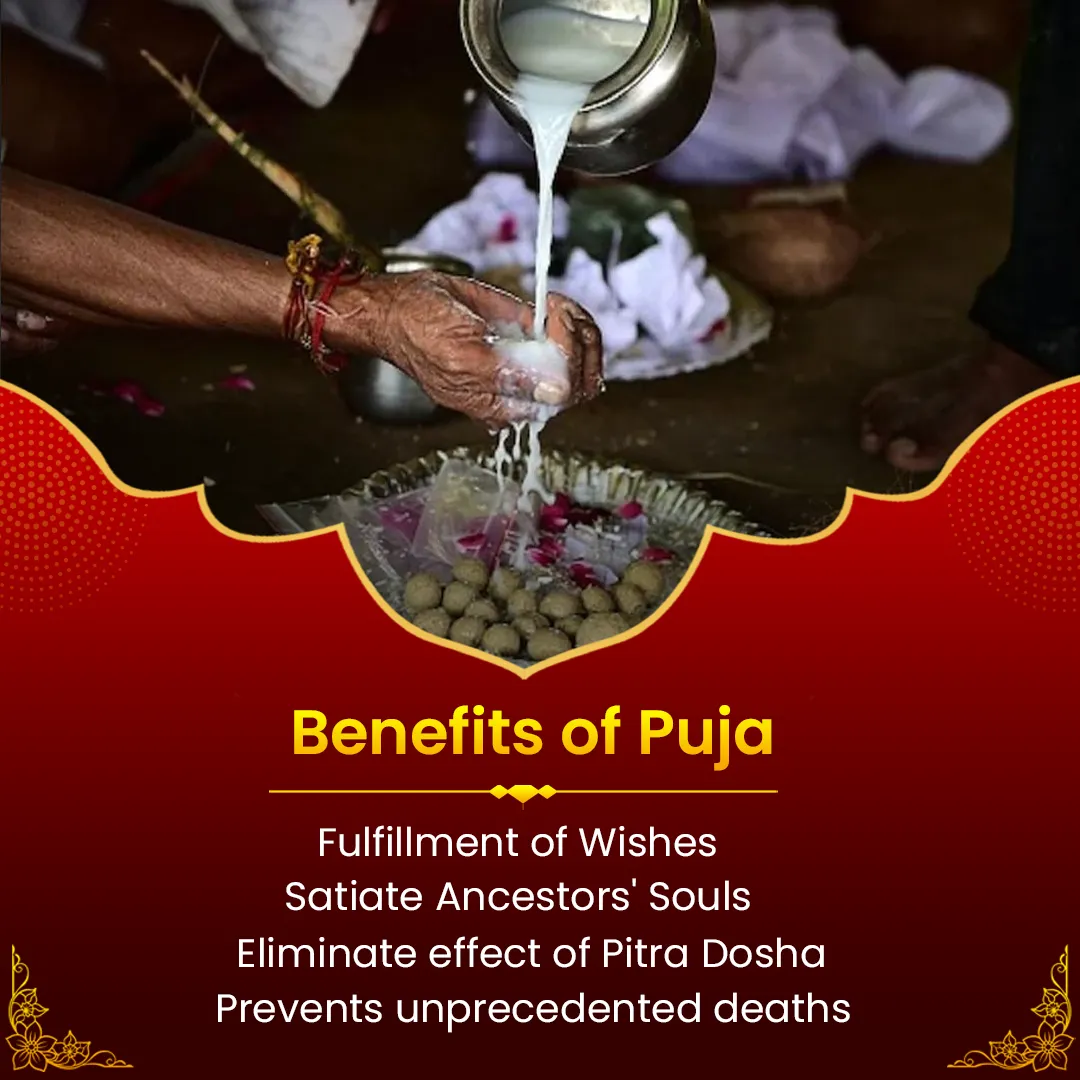
Pitru Dosh occurs when the souls of ancestors are not at peace due to unfulfilled duties, improper rituals, or karmic imbalances. This dosh can manifest as delays in marriage, financial troubles, recurring health issues, or constant family conflicts. Performing Pitru Dosh Puja with proper Vedic rituals helps appease these restless souls, seeking their forgiveness and blessings. The puja includes offerings like Pind Daan, Tarpan, and Shraddh, usually performed at sacred Tirths like Gaya, Prayagraj, or Trimbakeshwar. Once Pitru Dosh is resolved, it brings peace to ancestors, removes long-standing blockages, and opens the path to happiness, stability, and divine grace.
Pitru Dosh Puja is a sacred Vedic ritual performed to honor and bring peace to departed ancestors. Many souls remain unsettled due to incomplete last rites, unfulfilled duties, or karmic entanglements, which may lead to Pitru Dosh in the family. Through offerings like Tarpan, Pind Daan, and sacred chants at powerful Tirth Kshetras such as Haridwar,Gaya,Prayagraj, or Trimbakeshwar, these souls receive spiritual elevation and liberation (moksha). As the ancestors find peace, they bless the family with harmony, health, and prosperity. This ritual not only heals ancestral karma but also removes unseen obstacles from one’s life journey.
Pitru Dosh Puja plays a vital role in healing deep-rooted karmic blockages passed down through generations. These blockages, often caused by unresolved issues, debts, or unfulfilled duties of ancestors, can manifest as repeated failures, relationship issues, financial instability, or chronic health problems within the family. Performing this puja with devotion at sacred sites like Haridwar, Gaya, Prayagraj, or Trimbakeshwar helps cleanse the family lineage of such karmic burdens. The rituals invoke ancestral blessings, dissolve negative energies, and create a positive spiritual shift. As a result, harmony is restored, and the family experiences renewed growth, peace, and divine protection.
Pitru Dosh can silently block the flow of wealth, success, and growth in one’s life due to unresolved ancestral karma. Performing Pitru Dosh Puja helps release these karmic debts and clears the path for abundance. By offering Tarpan and Pind Daan at divine locations like Haridwar, Gaya, Prayagraj, or Trimbakeshwar, the ancestors are pacified, and their blessings begin to flow. These blessings remove financial instability, delays in progress, and constant hurdles in career or business. With the ancestral energy now harmonized, the devotee experiences a noticeable uplift in prosperity, opportunities, and long-term stability in personal and professional life.
Devotee Corner



 FAQs
FAQs
 Subscribe
If you are interested in Upcoming Pujas, Offerings, Divine products and sanatan dharma, you can choose to subscribe Bhaktimay Whatsapp
 Chat on Whatsapp
© 2026 Edudelta Technologies 🇮🇳


